
No sulfates, no harsh chemicals. Every hair cleanser in the range is formulated to preserve the scalp microbiome and prepare hair for the treatments that follow.
Not sure where to start?
Take our quiz
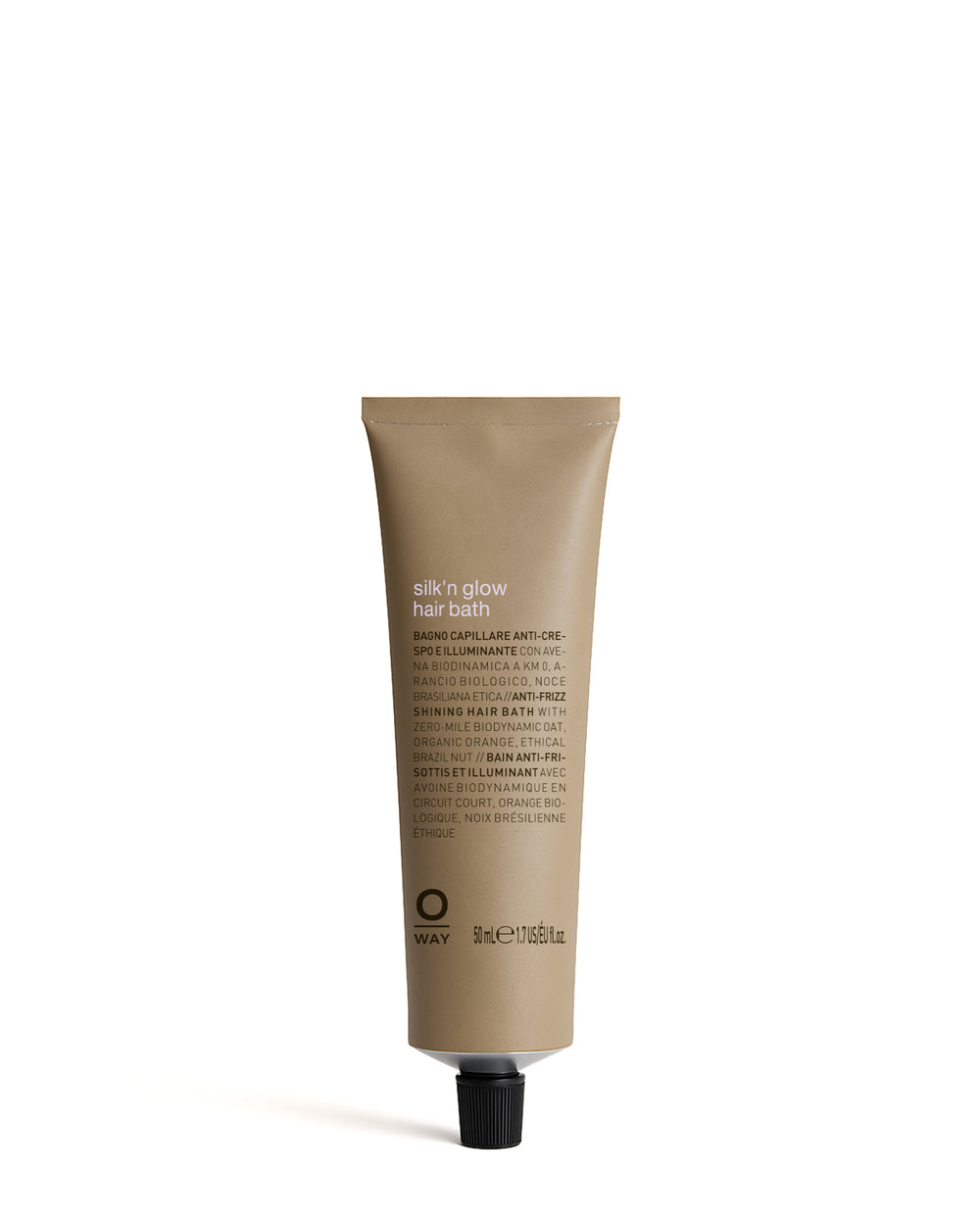
silk'n glow hair bath
Gently cleanses while taming and softening
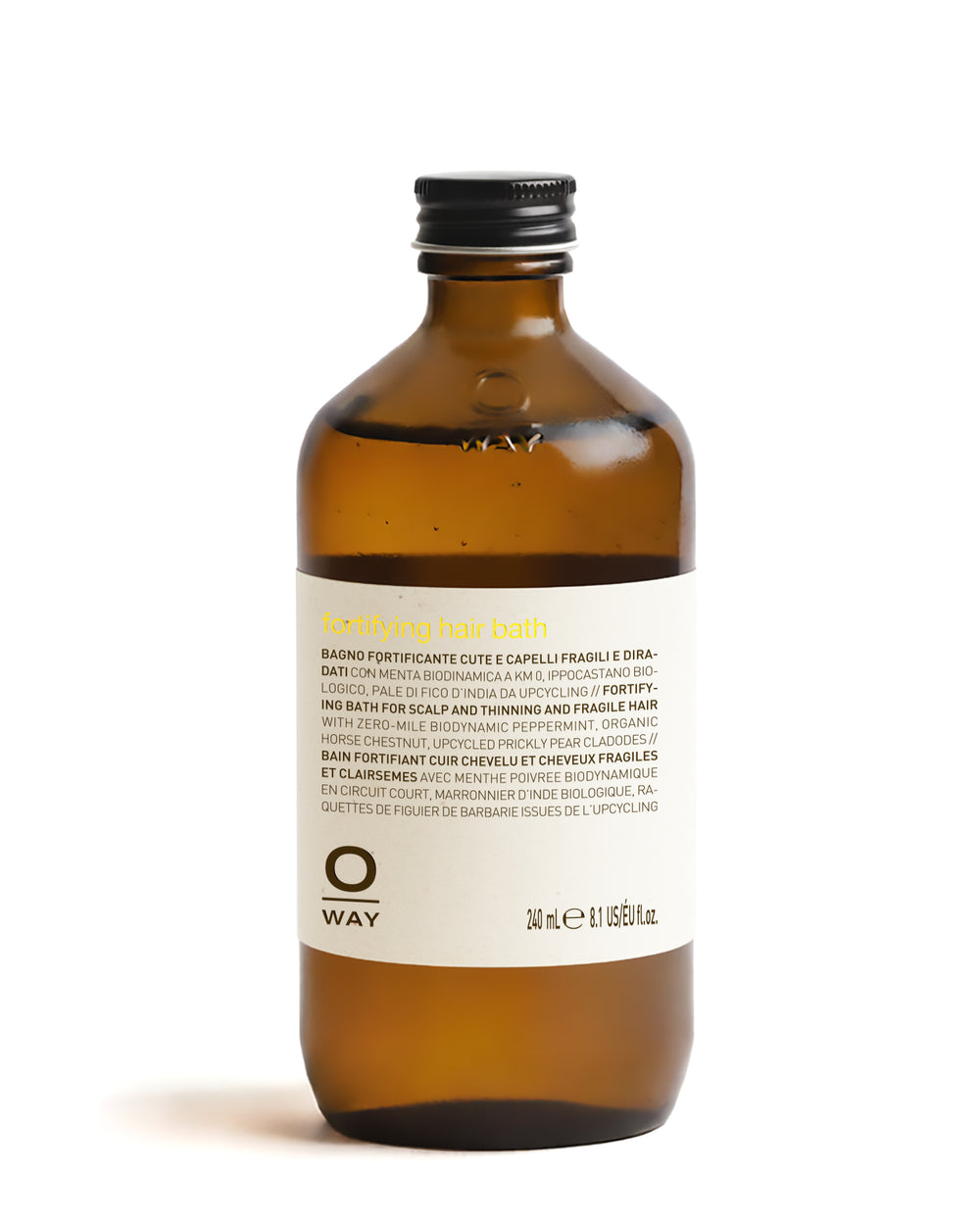
fortifying hair bath
Stimulates scalp and strengthens strands
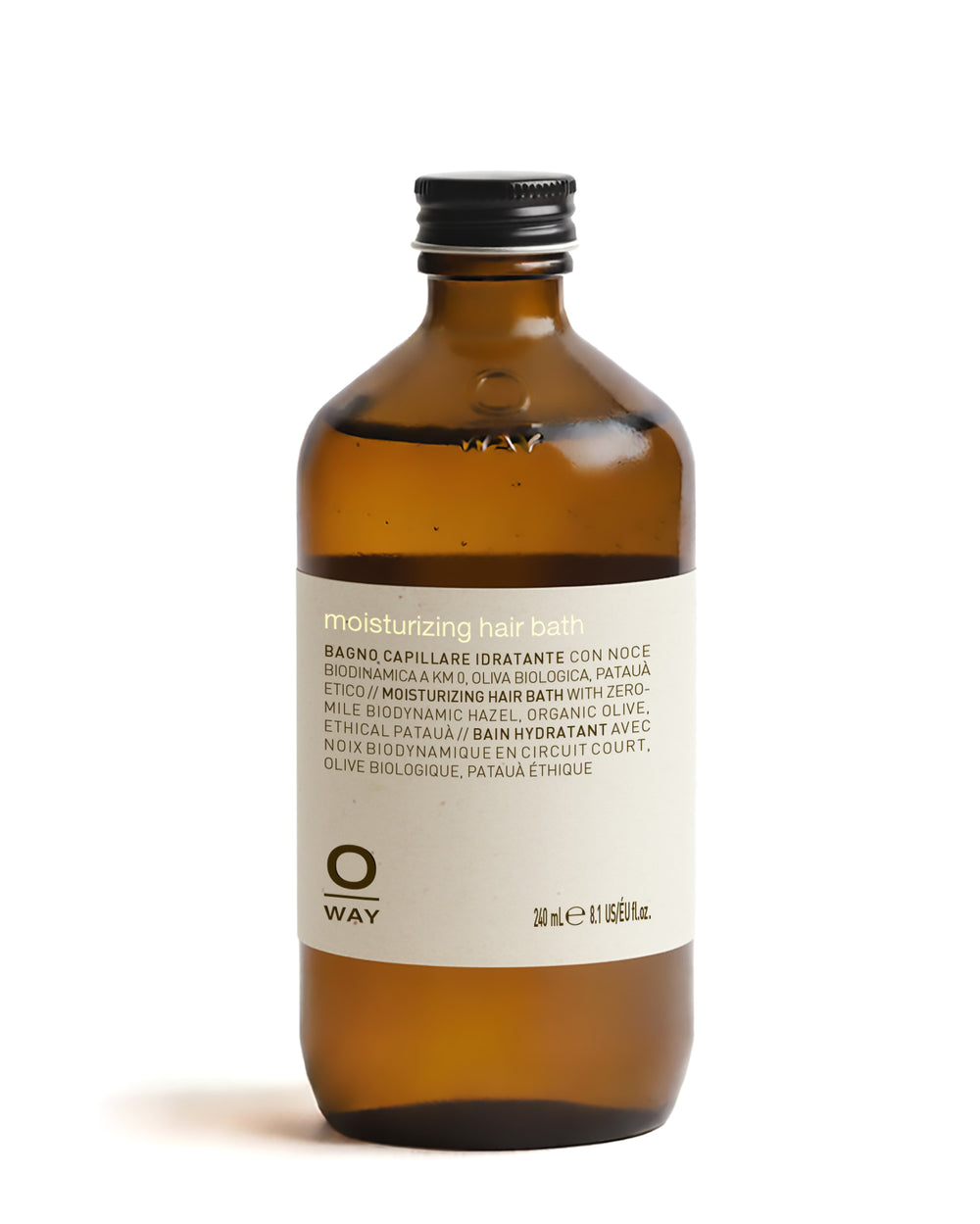
moisturizing hair bath
Delivers intense moisture and smoothness
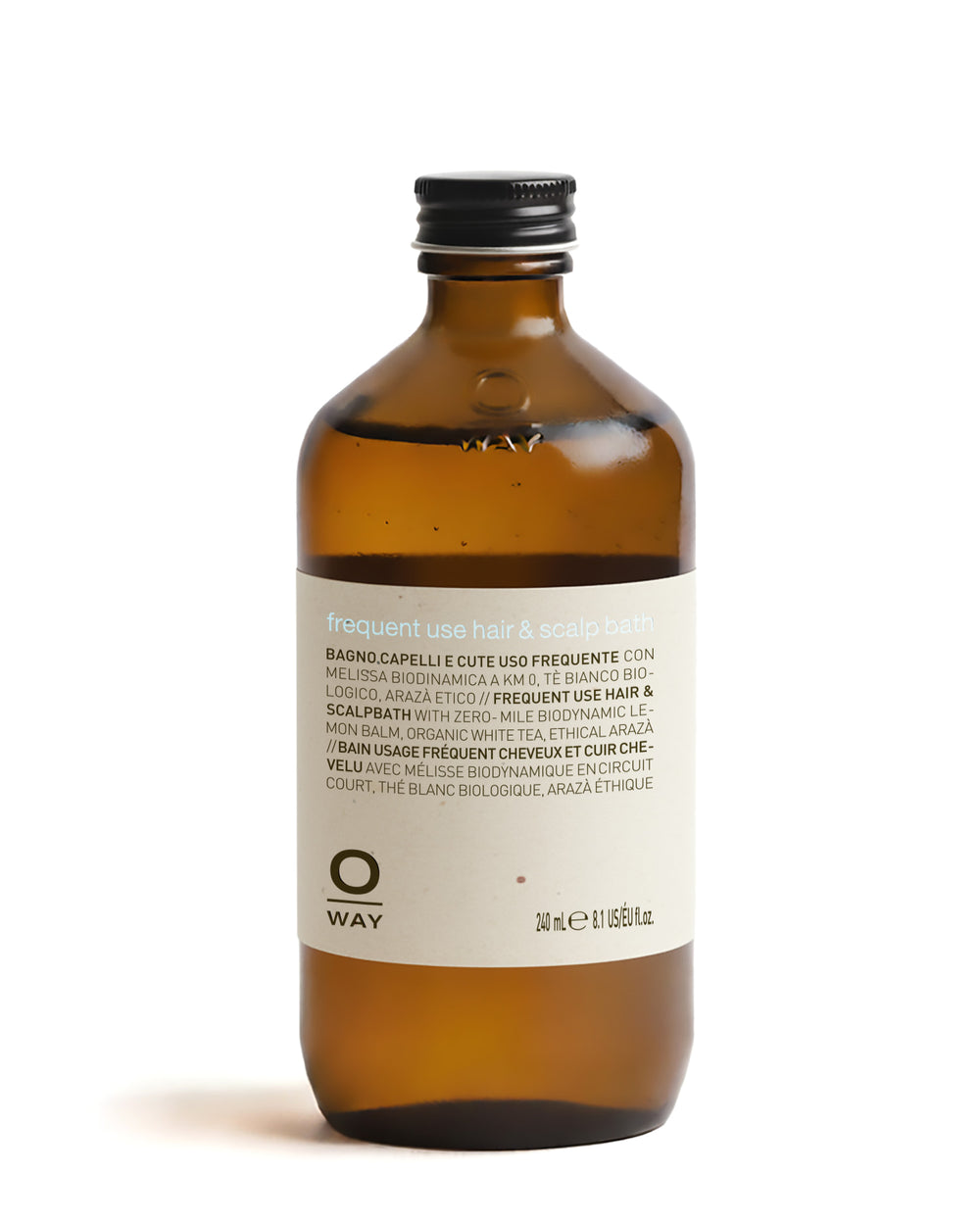
frequent use hair & scalp bath
Gentle detox suitable for everyday use
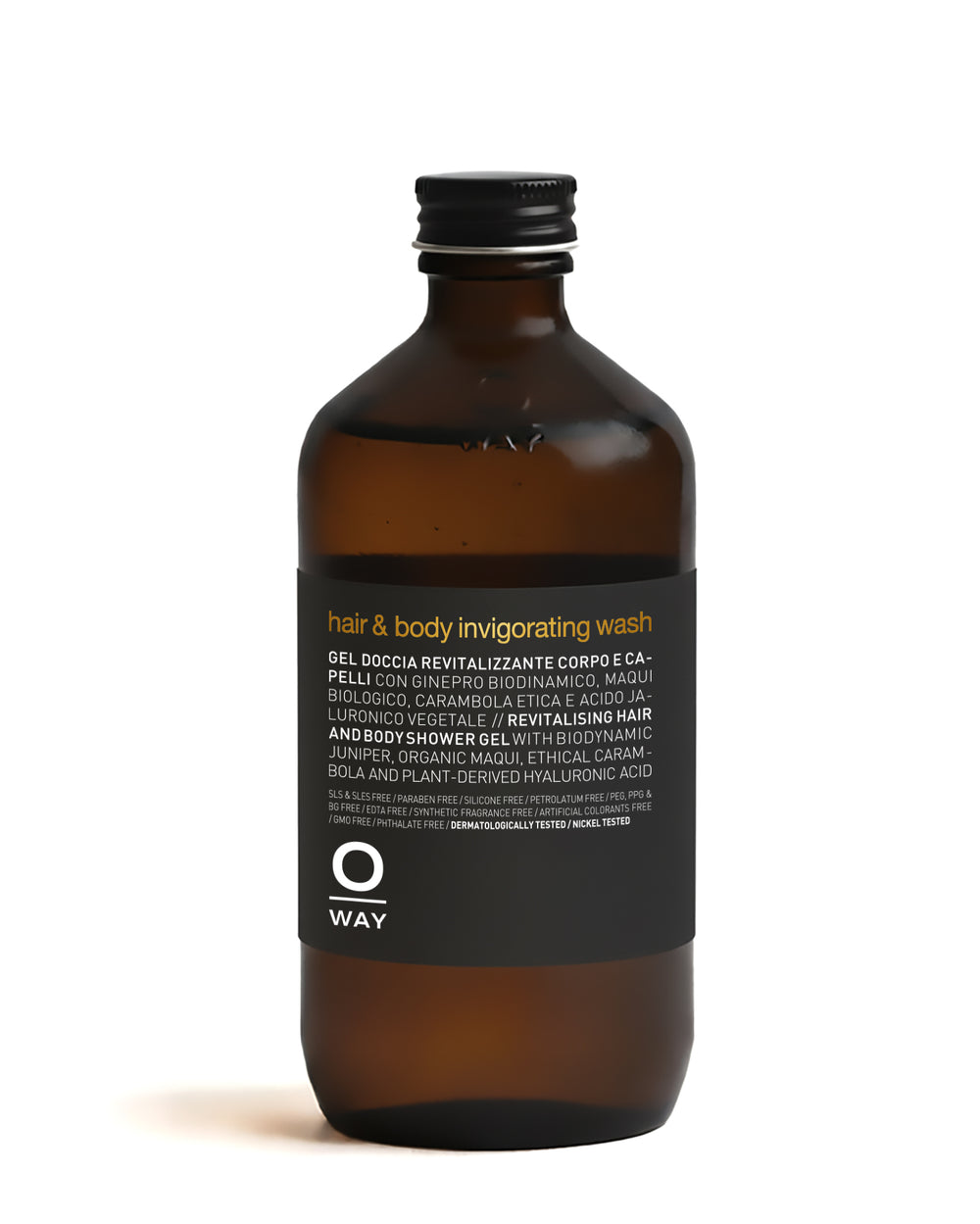
hair & body invigorating wash
Energizing daily cleanser for hair and body

rebuildM+ hair bath
Biomimetic amino acids rebuild fiber strength while adding body.
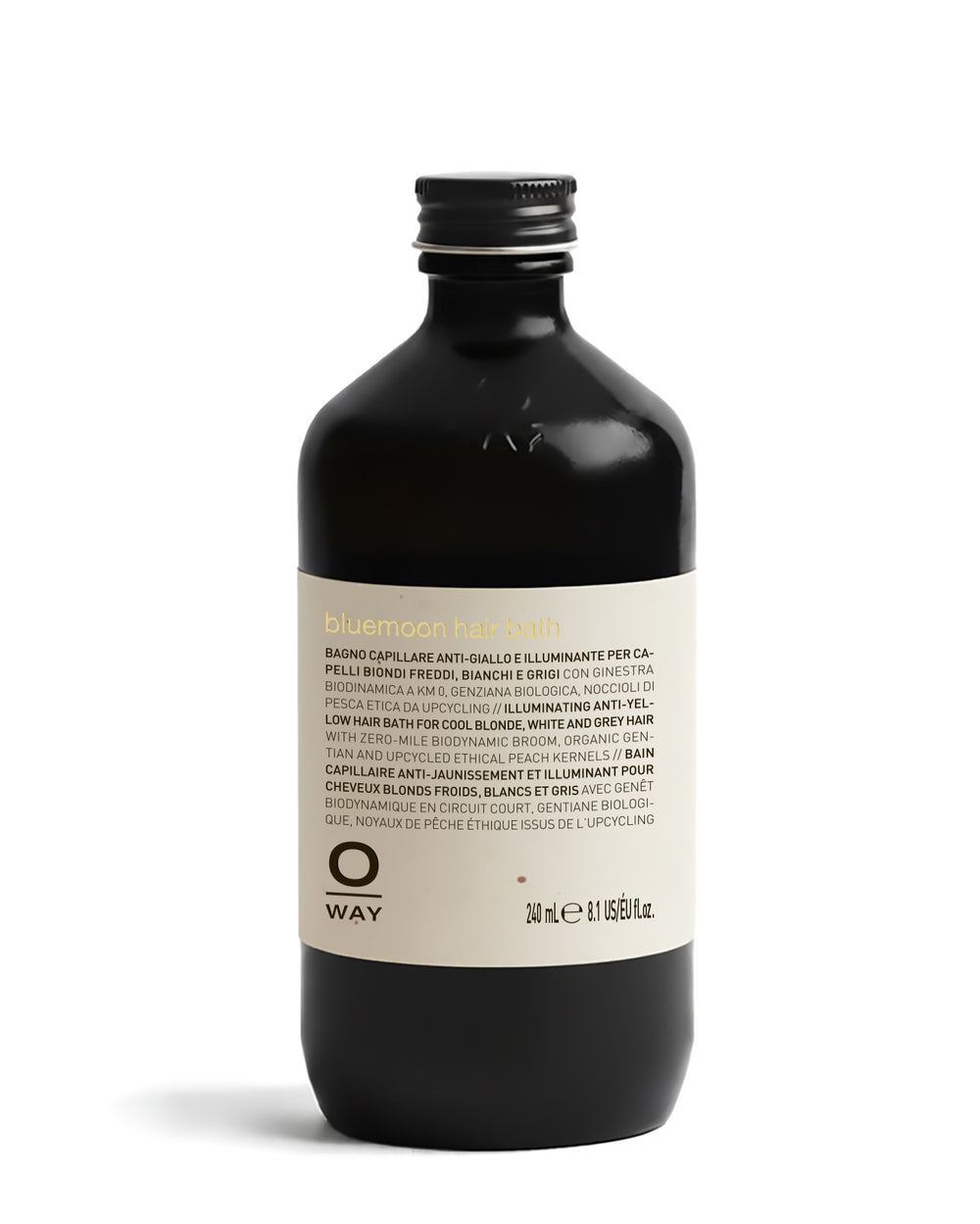
bluemoon hair bath
Neutralizes brassiness for icy brightness
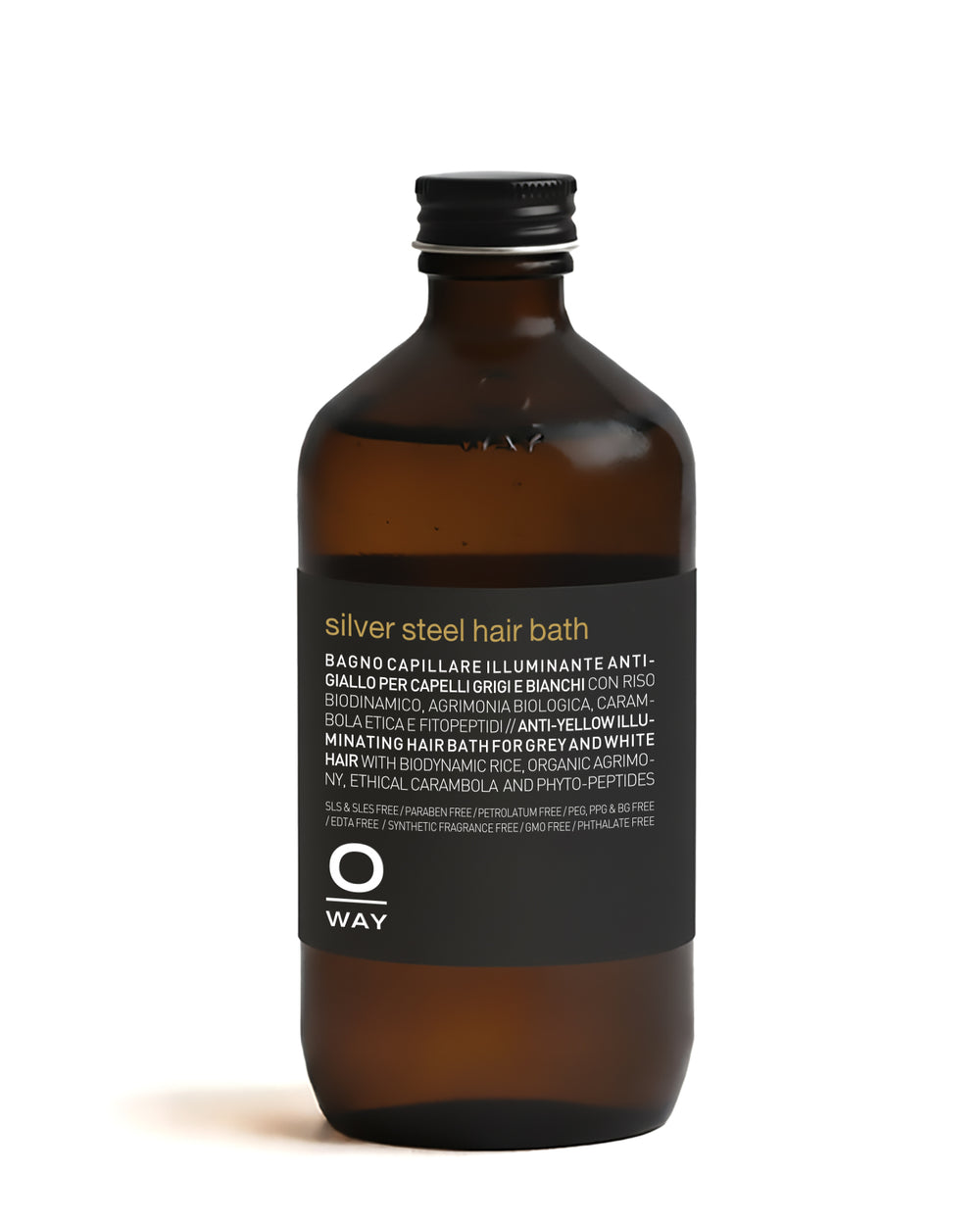
silver steel hair bath
Enhances vibrancy and keeps tones bright
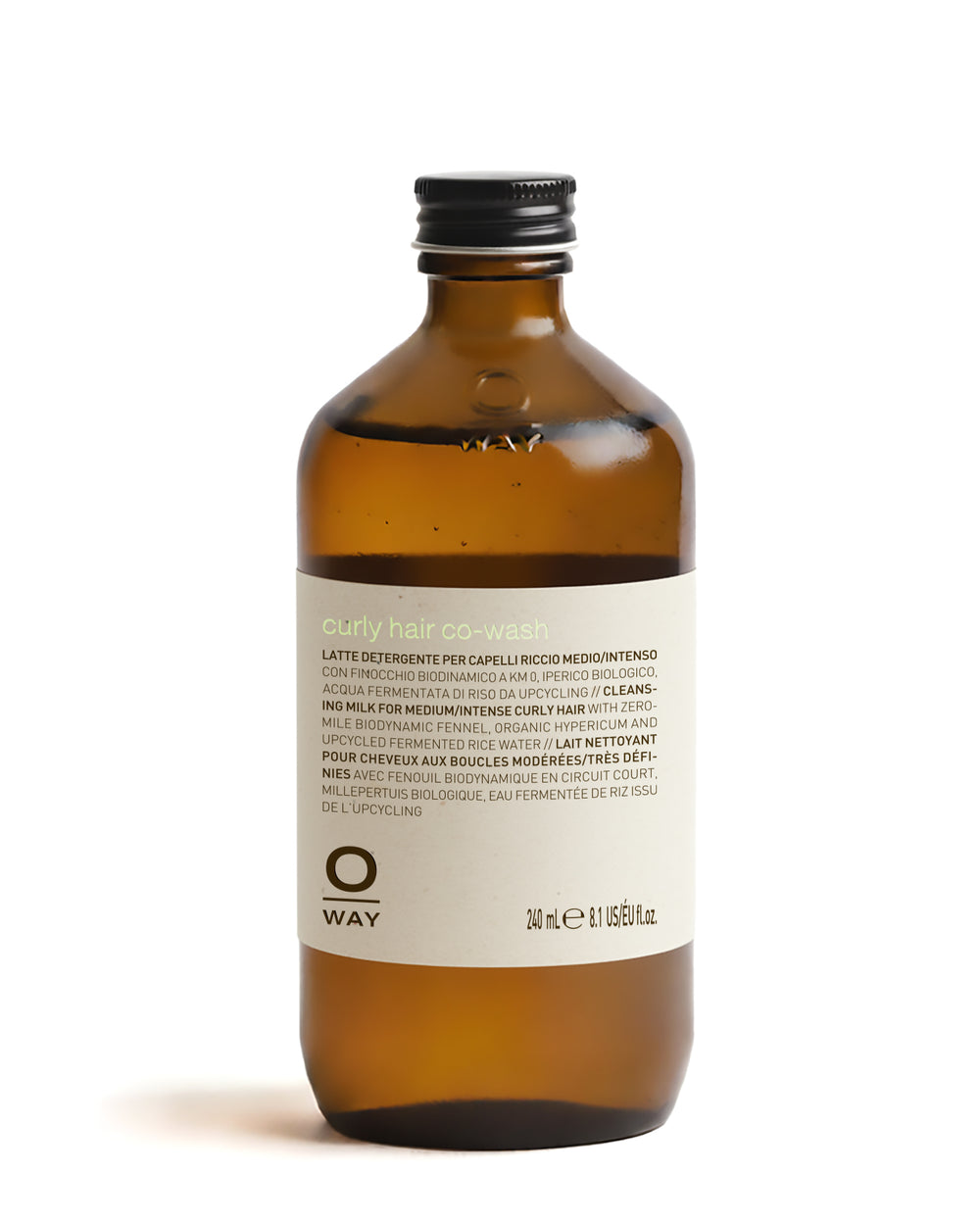
curly hair co-wash
Cleanses and conditions in one step
sebum balance hair bath
Purifies and rebalances excess oil
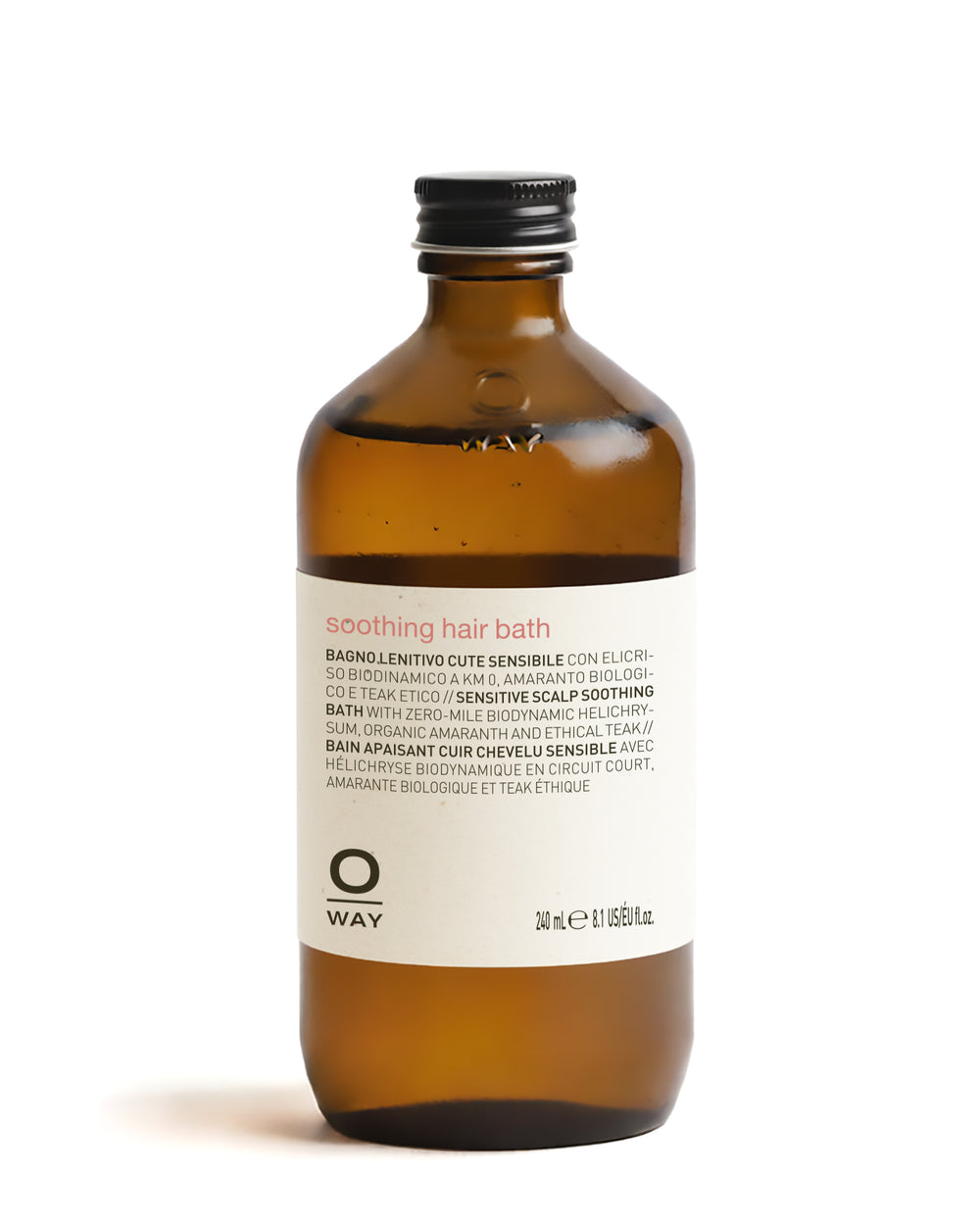
soothing hair bath
Ultra-gentle cleanse that calms irritation
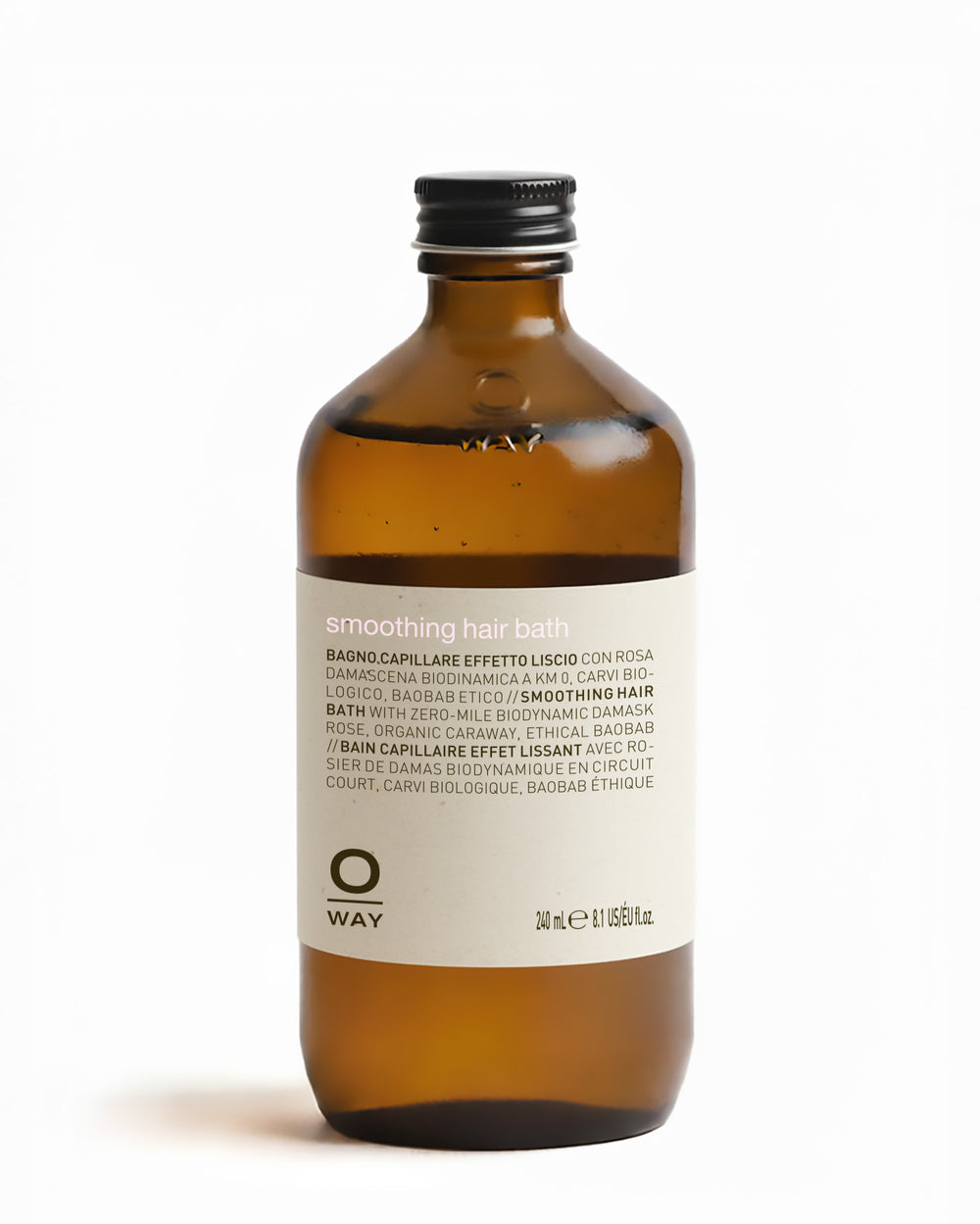
smoothing hair bath
Gentle cleanse that leaves hair smooth and manageable
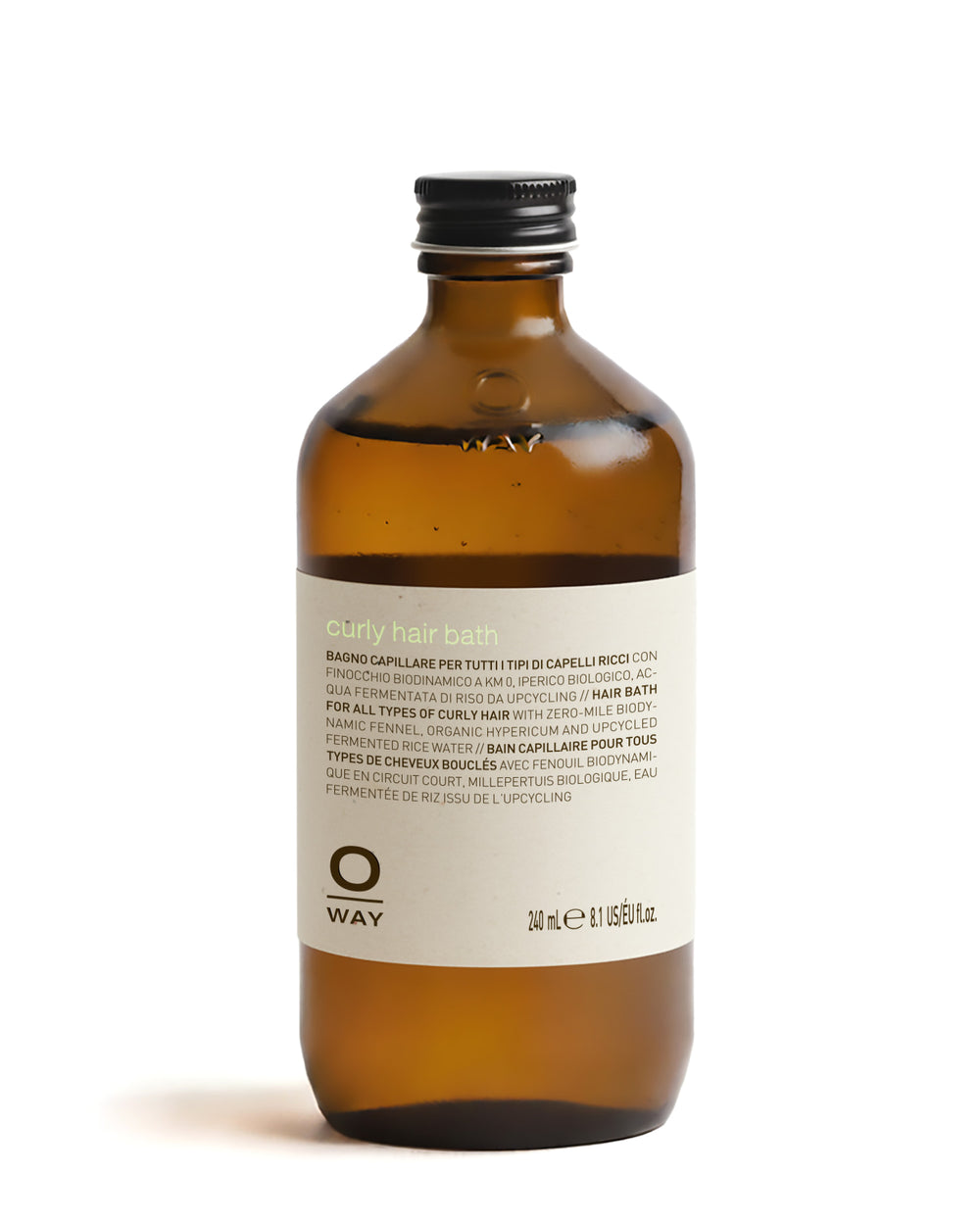
curly hair bath
Gently cleanses while enhancing natural bounce
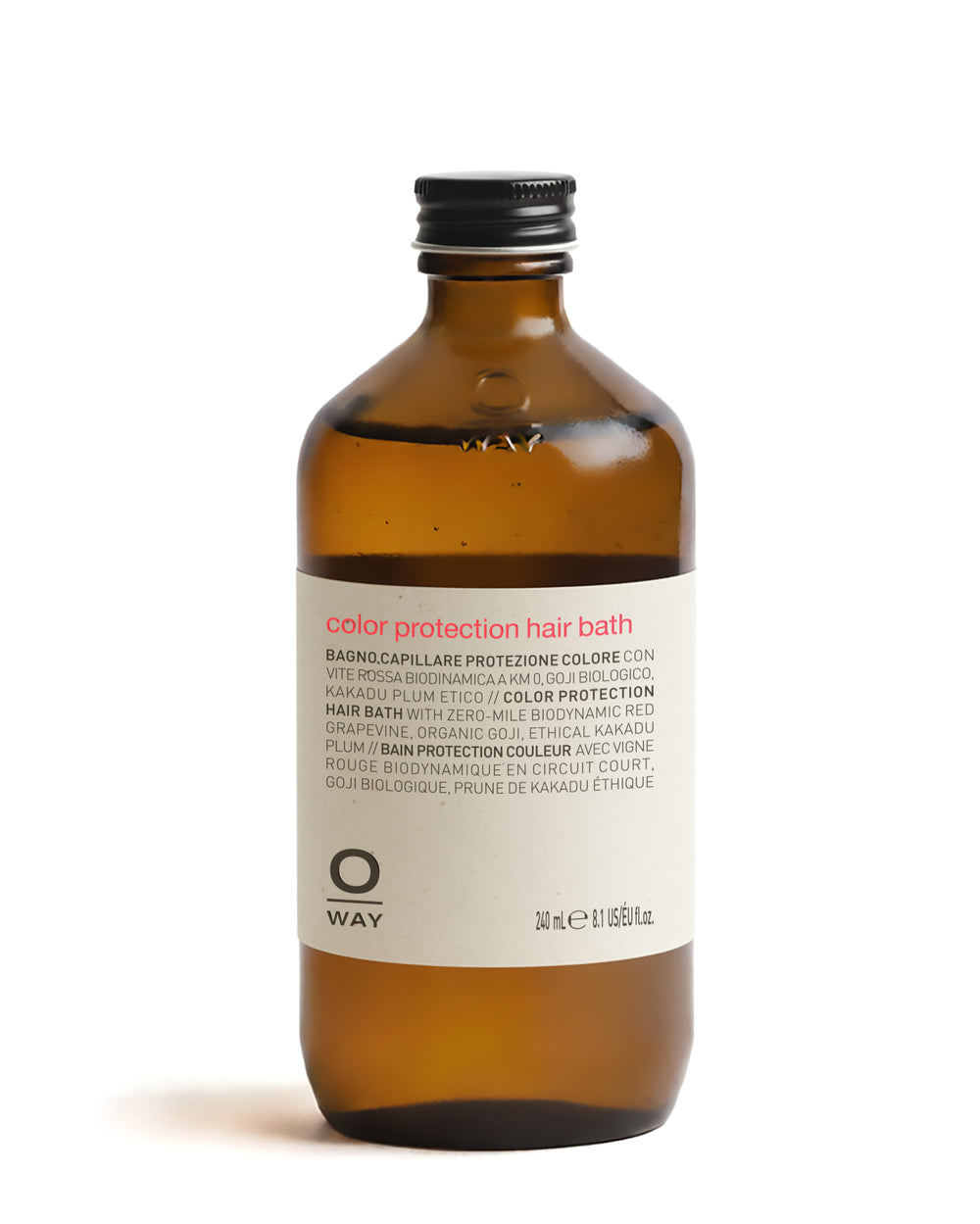
color protection hair bath
Protects vibrancy and prolongs shine.
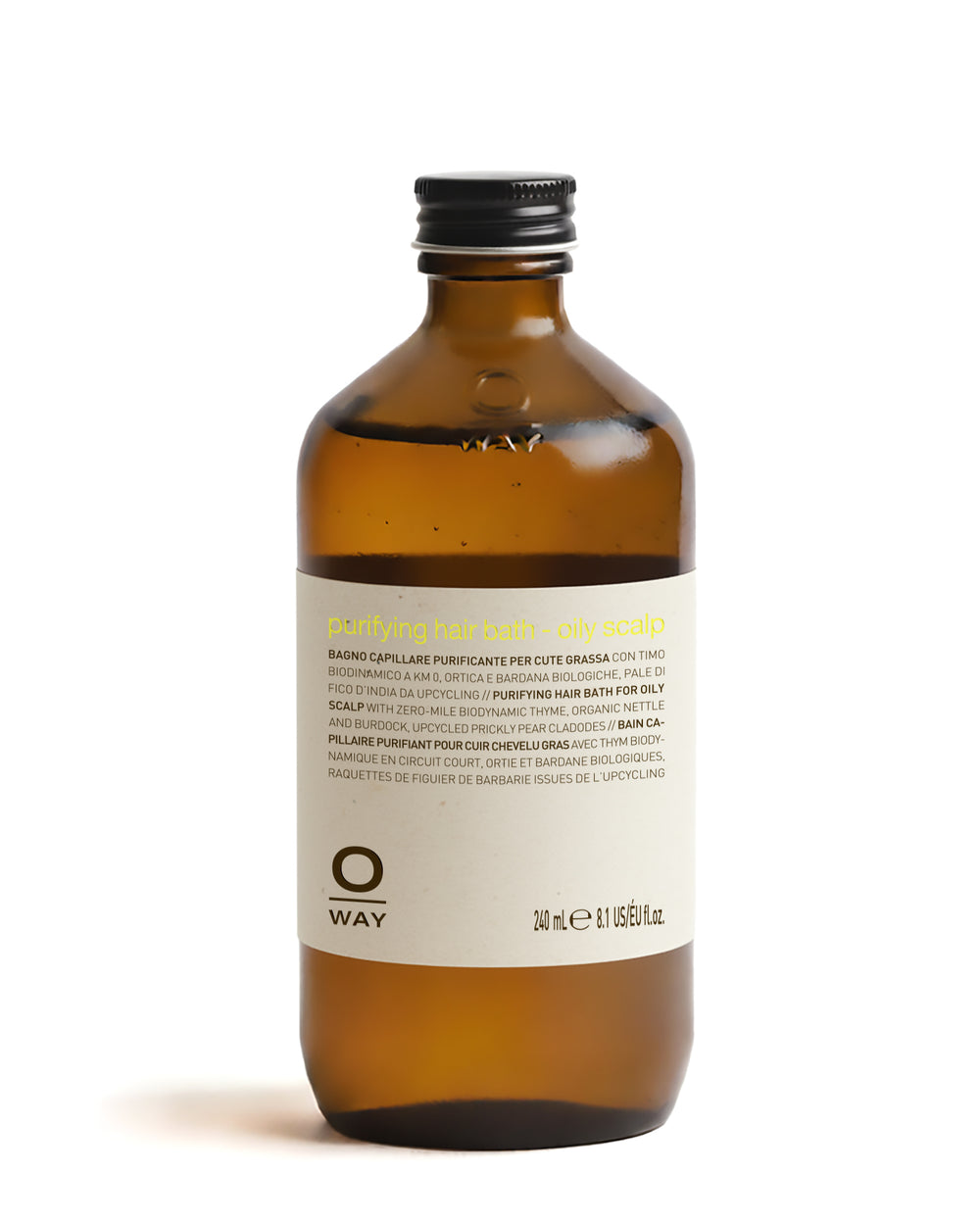
purifying hair bath for oily scalp
Deep-cleanses and helps control flakes
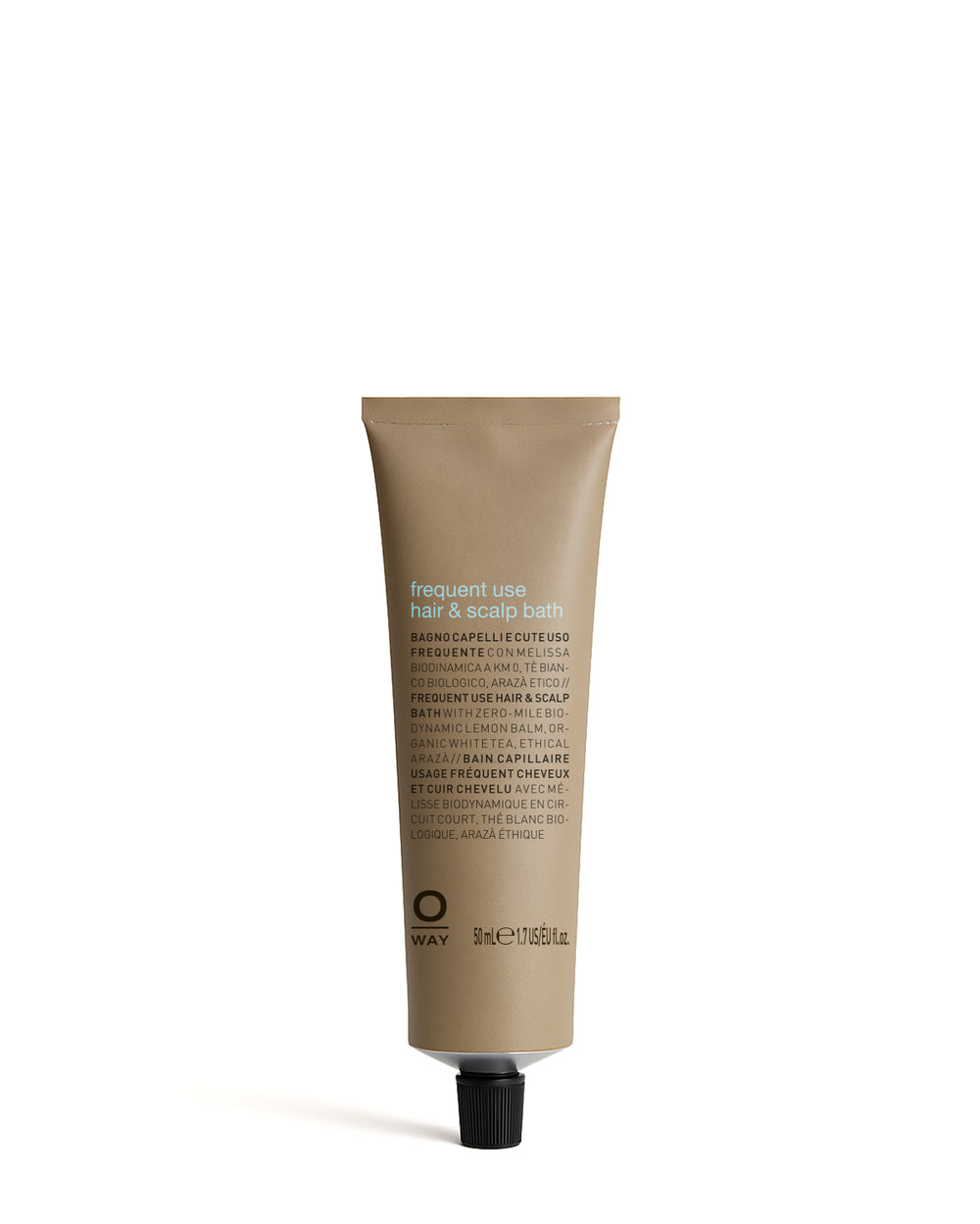
frequent use hair & scalp bath
Gentle detox suitable for everyday use
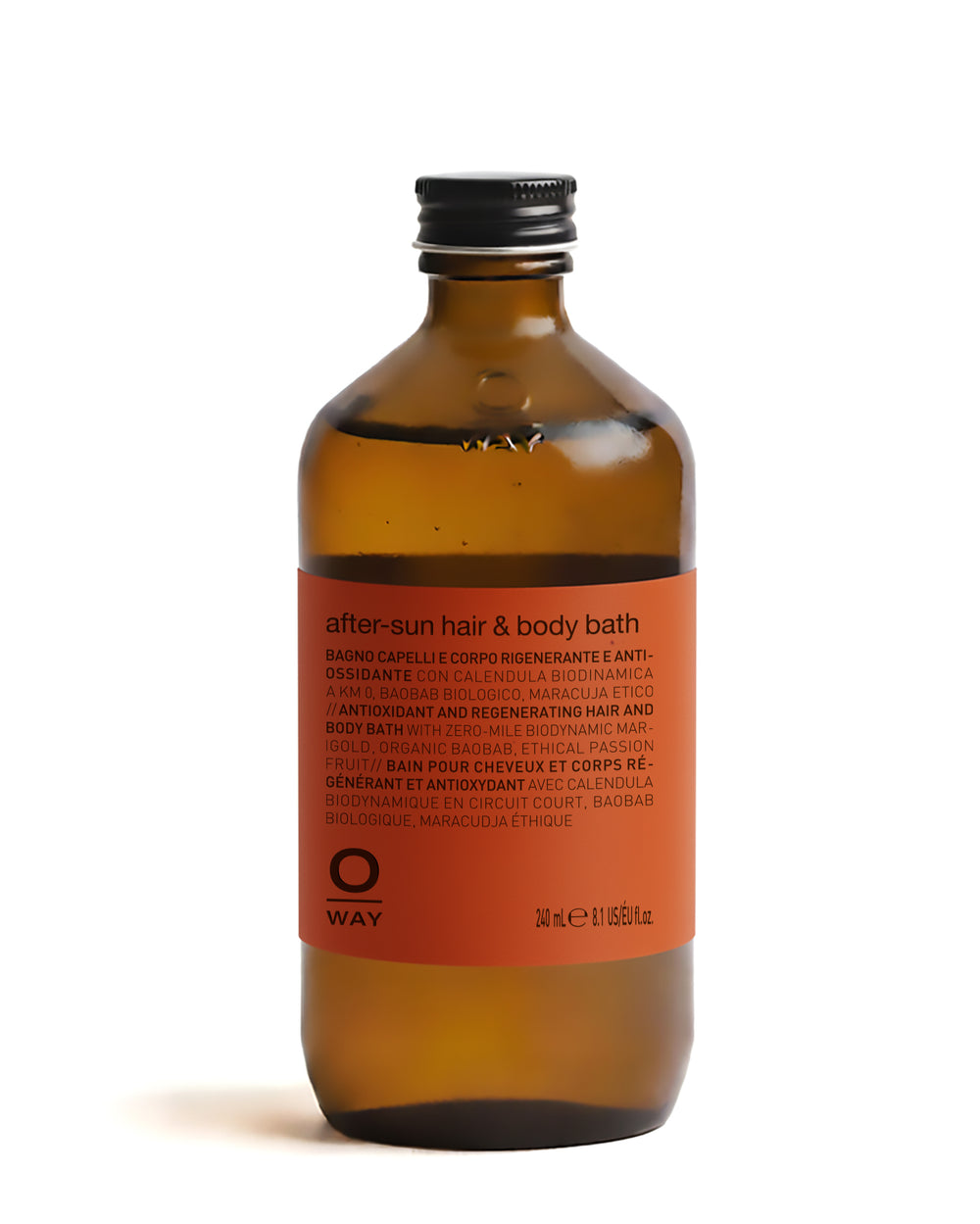
after-sun hair and body bath
Removes salt and chlorine, restores hydration
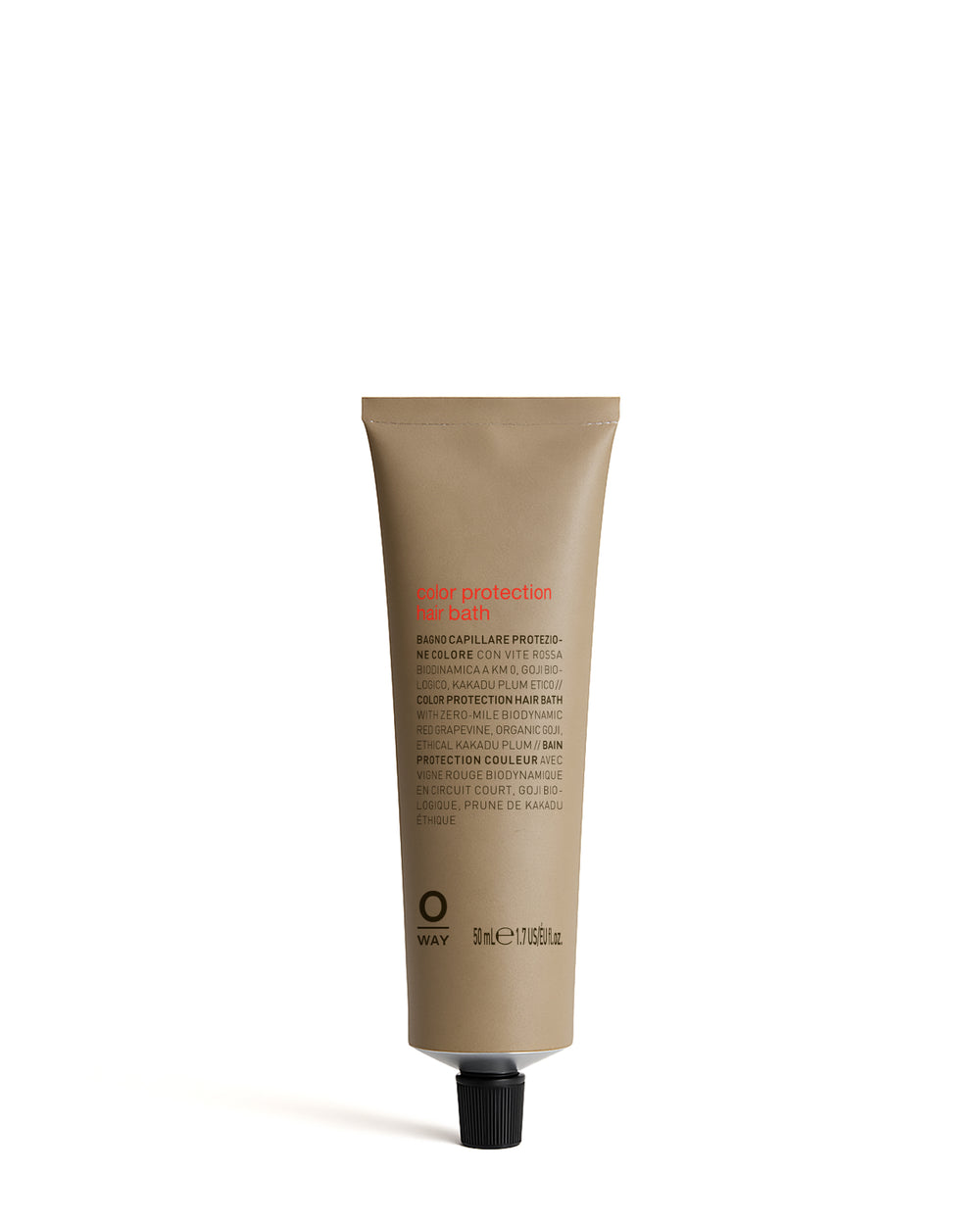
color protection hair bath
Protects vibrancy and prolongs shine.
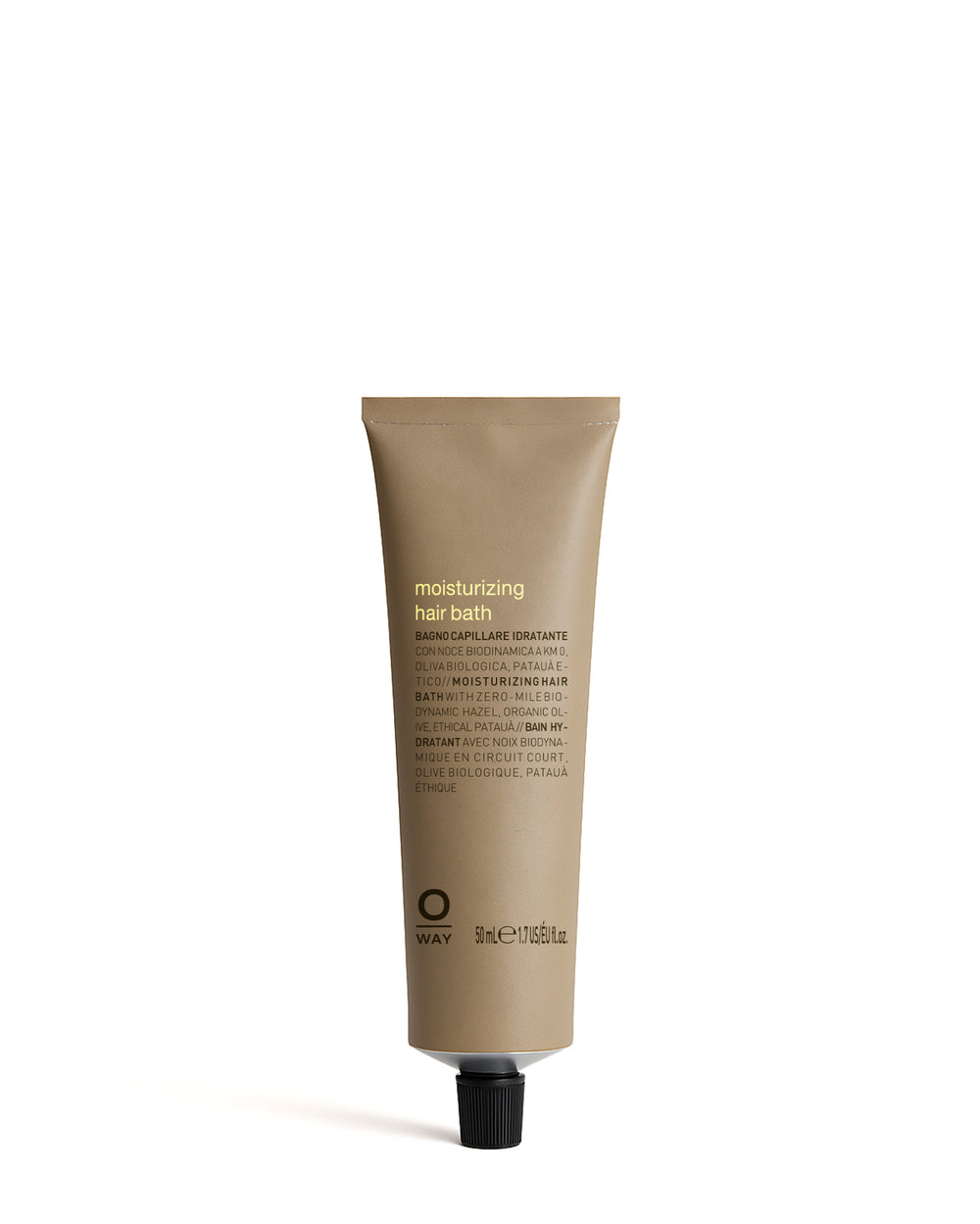
moisturizing hair bath
Delivers intense moisture and smoothness
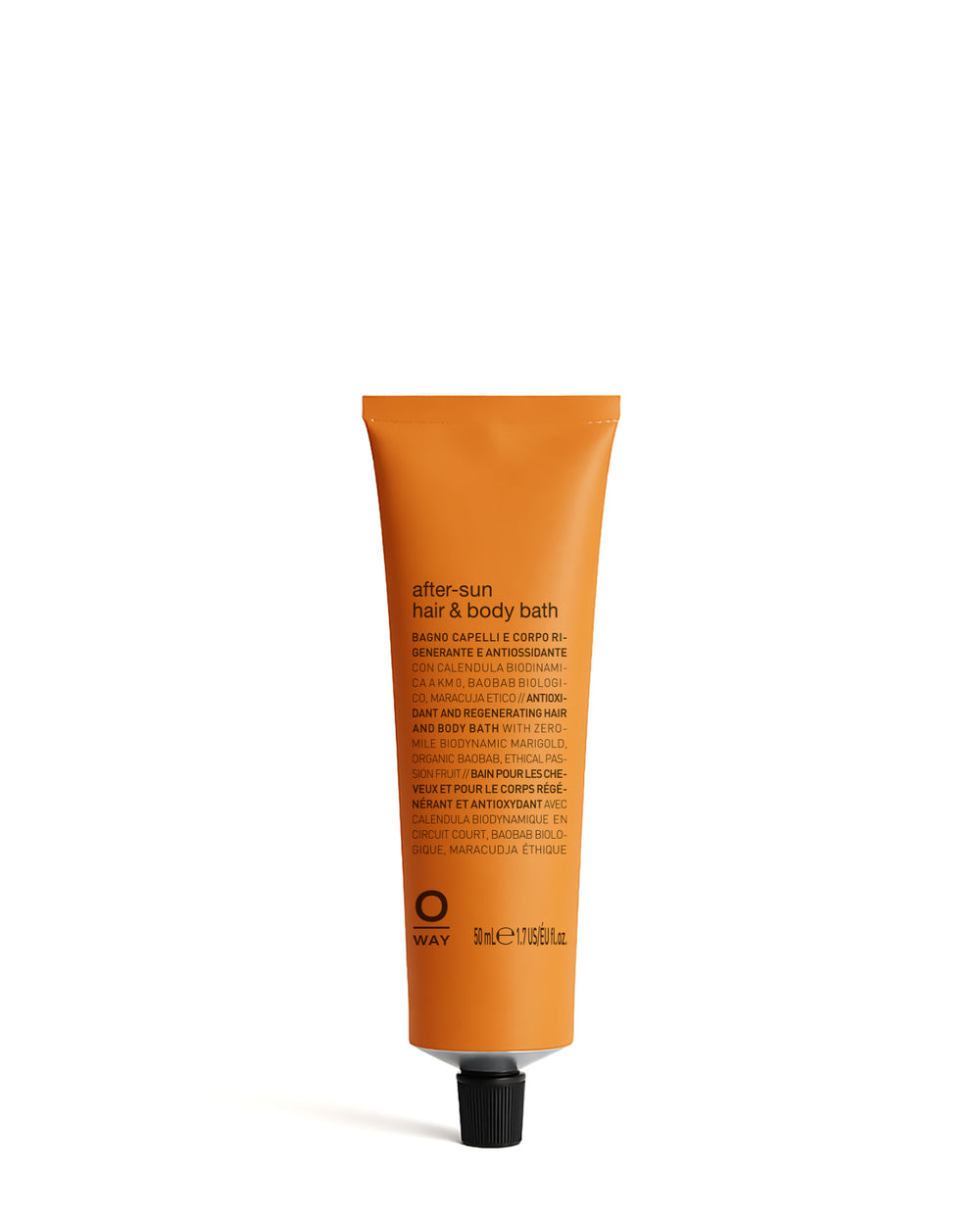
after-sun hair and body bath
Removes salt and chlorine, restores hydration
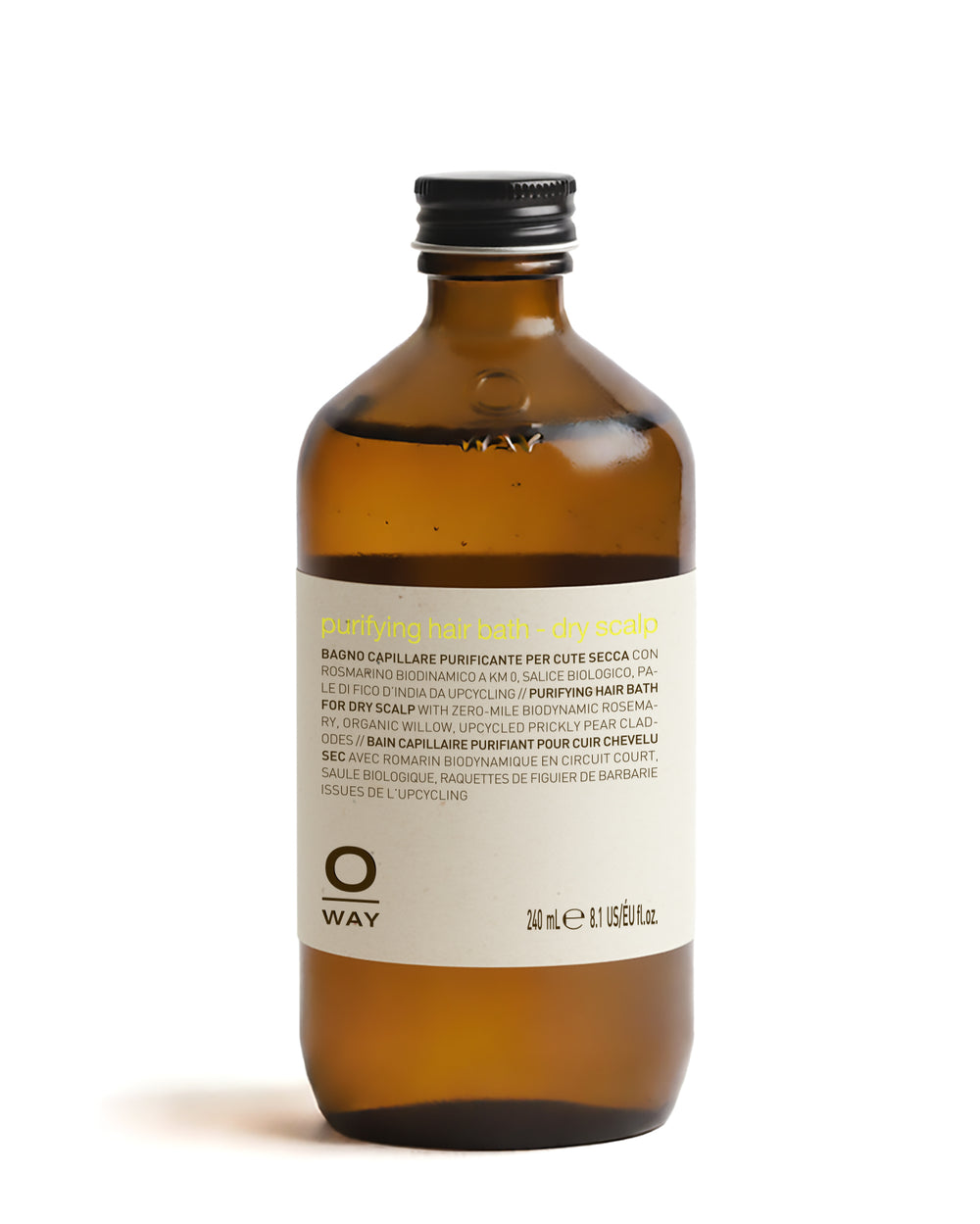
purifying hair bath for dry scalp
Soothes irritation and helps relieve dandruff
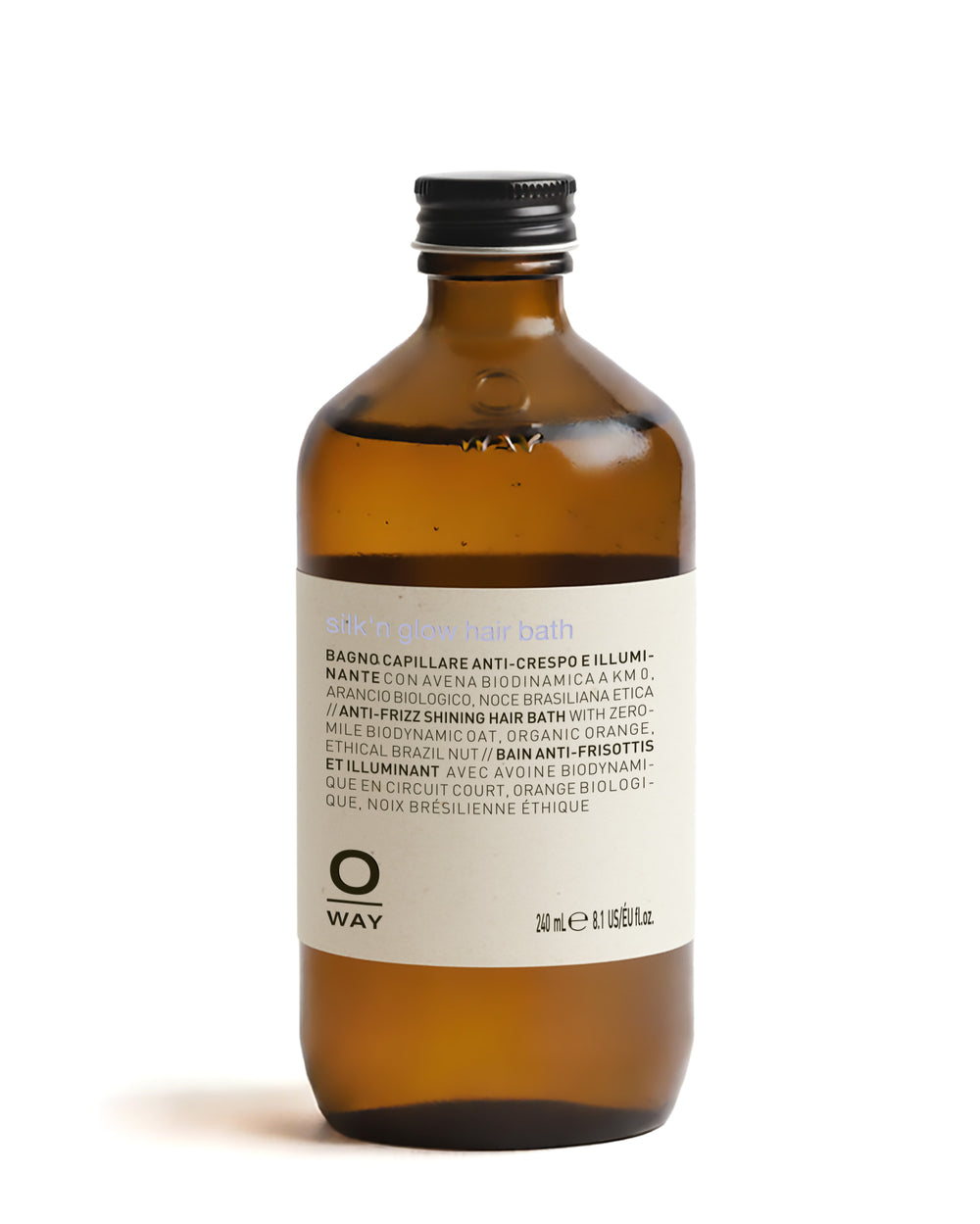
silk'n glow hair bath
Gently cleanses while taming and softening
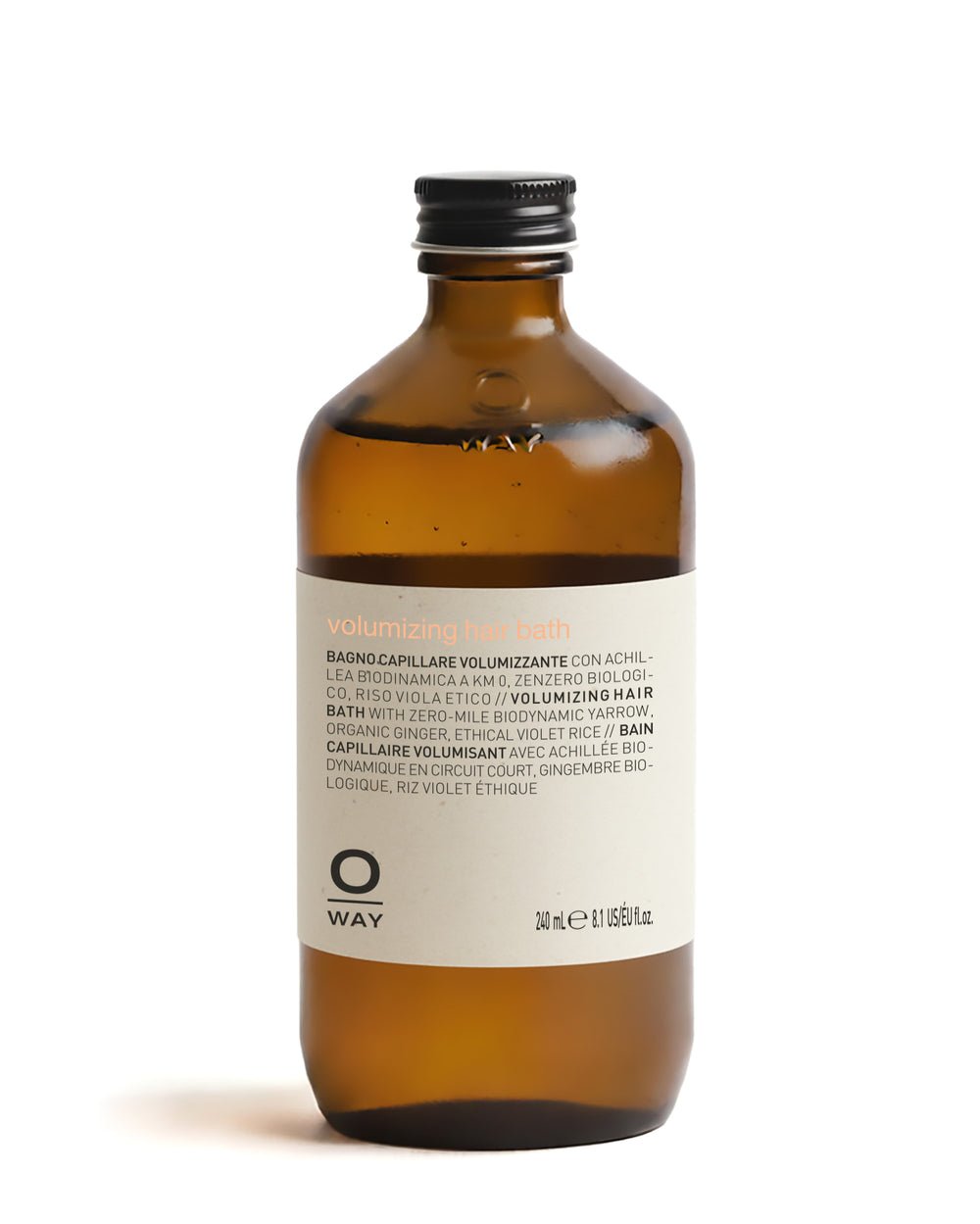
volumizing hair bath
Lightweight cleanse that adds body and fullness
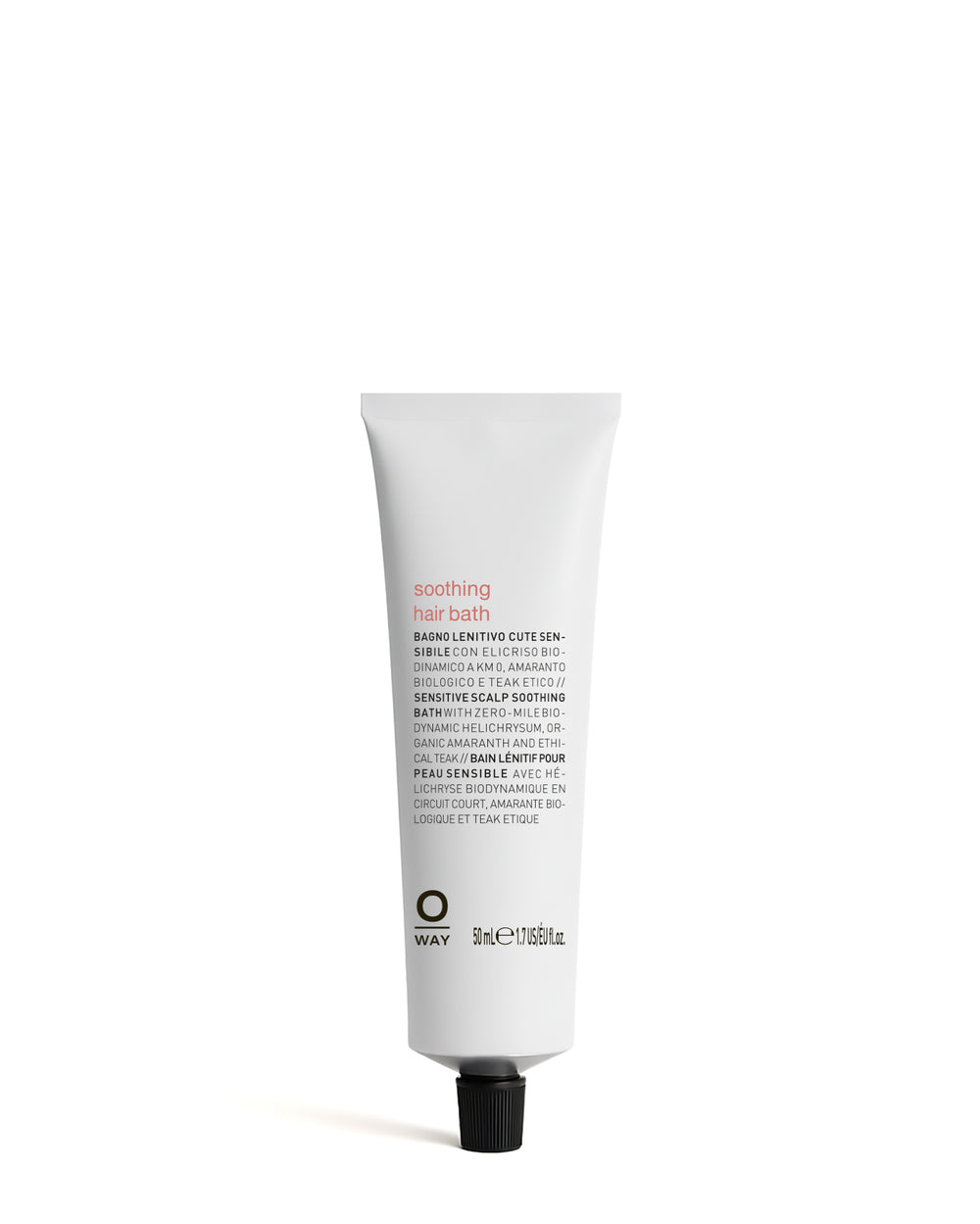
soothing hair bath
Ultra-gentle cleanse that calms irritation
FAQ
Are Oway shampoos SLS and SLES-free?
What makes Oway shampoos different from conventional ones?
Are Oway shampoos safe for color-treated hair?
Are Oway shampoos vegan and cruelty-free?
How do I choose the right Oway shampoo for my hair?
Which shampoo is best for fine, flat, or limp hair?
My scalp is oily but my lengths are dry. What should I use?
Which shampoo should I use for dandruff or a flaky scalp?
What's the difference between the Moisturizing and Repair shampoos?
Which shampoo is best for hair loss or thinning?
What is a co-wash, and is it right for my hair?
Can I use a shampoo from one concern category with a conditioner from a different one?
How often should I shampoo?
How much shampoo should I use per wash?
Curated Solutions for All Hair Journeys
Daily Cleanse
Gentle cleansing formulas for sensitive scalps prone to redness, itching, and burning. Perfect for those who react to typical hair care products.
Repair
Our formulas made from natural extracts, hydrosols, and phyto-actives restore damaged and weakened hair to its full health, shine, softness, and vitality.
Volumize
Plant-based formulations for fine, thinning, and lifeless hair that add body without weighing down the hair shaft.
Maintain Curls
Enhances natural curl patterns while deeply nourishing, detangling, and sealing lifted cuticles to eliminate dullness and restore vibrant bounce.
Color Refresh
Plant-based remedies that revive and nourish dull colored hair, restoring brilliance, tone, and vitality.
Anti-frizz
Transforms frizz into silky, disciplined hair without compromising natural movement.